Zirconia Inlay/Onlay/Overlays
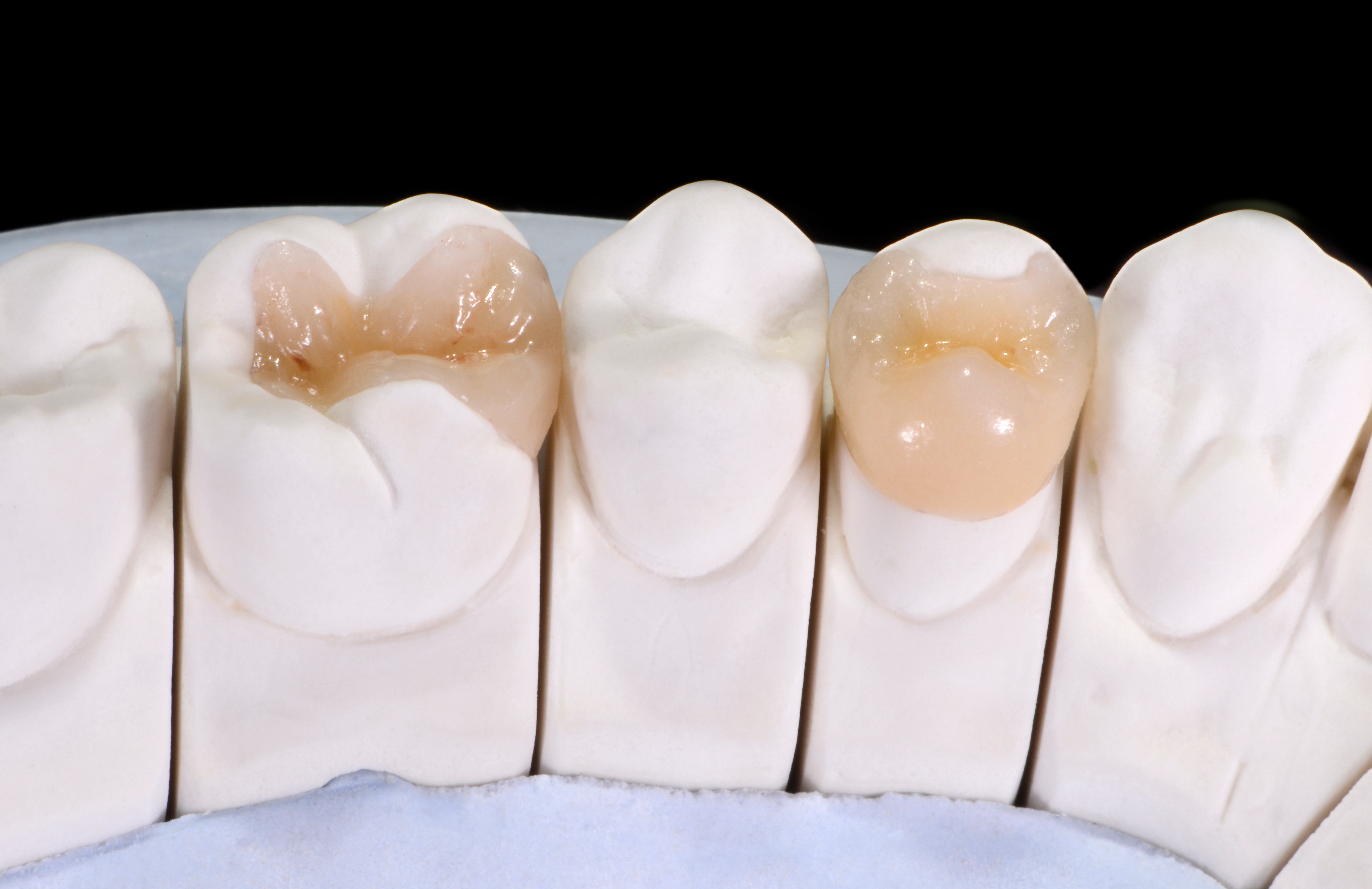
Dental inlays and onlays are indirect restorations used to repair teeth with moderate damage or decay that is too extensive for a filling but doesn't require a full crown. They offer a conservative approach that preserves healthy tooth structure while restoring strength and function. At Rivfor Dental Lab, we use precision CAD/CAM milling to create zirconia inlays and onlays that fit perfectly and last for years.
Get in touchTypes of Zirconia Restorations
Inlay
An inlay is placed within the cusps of a tooth to repair damage or decay confined to the chewing surface. It acts like a custom-fitted filling, precisely shaped by CAD/CAM milling to restore the tooth's natural contour and function.
Onlay
An onlay extends over one or more cusps of the tooth, providing broader coverage than an inlay. It's the ideal solution when damage goes beyond the chewing surface but doesn't require a full crown.
Overlay
An overlay covers the entire biting surface of the tooth, including all cusps. It offers the most coverage of the three options while still preserving more natural tooth structure than a traditional crown.
When to Choose an Inlay or Onlay Over a Full Crown
Inlays and onlays serve as a conservative middle ground between direct fillings and full-coverage crowns. They are indicated when a tooth has moderate structural damage — too much for a composite filling to reliably restore, but not enough to justify removing the additional tooth structure required for a crown.
As a general guideline: if the cavity or defect involves one or two surfaces and stays within the cusps, an inlay is appropriate. If the damage extends to one or more cusps, an onlay replaces the affected cusps while preserving the remaining healthy tooth structure. An overlay covers all cusps and the occlusal surface, functioning almost like a partial crown but with less aggressive preparation.
Choosing an inlay or onlay over a full crown preserves more enamel and dentin, maintains the natural tooth's structural integrity, and can extend the overall lifespan of the tooth by delaying the need for more invasive treatment. For patients with bruxism or heavy occlusion, zirconia's high strength (up to 1,250 MPa) makes it an excellent material choice for these conservative restorations.
CAD/CAM Fabrication Process
Our inlay and onlay fabrication follows the same precise digital workflow as our other restorations. We receive your scan or impression, digitize the case if analog, and our CAD technicians design the restoration to fit the prepared cavity with tight marginal adaptation and accurate occlusal anatomy.
Inlays and onlays demand particularly precise internal fit, since the restoration must seat fully into the prepared cavity without rocking. Our CAD/CAM milling process produces restorations with consistent wall thickness and smooth internal surfaces, ensuring reliable bonding and passive seating.
After milling, each inlay or onlay is stained and glazed to match the prescribed VITA shade. We pay special attention to matching the occlusal surface characterization with the surrounding natural tooth structure, since these restorations are often placed in visible areas of the premolar and molar regions.
Material Recommendations
For inlays, onlays, and overlays, we recommend the following based on clinical demands:
HT Multilayer Zirconia (1,250 MPa) — Our standard recommendation for posterior inlays and onlays. The high strength handles occlusal loading reliably, and the multilayer gradient provides natural esthetics even in the premolar region where restorations may be visible during conversation and smiling.
Super Translucent Multilayer (850 MPa) — Suitable for premolar inlays in patients without parafunctional habits, where esthetics are a priority. The higher translucency produces a more seamless blend with surrounding enamel.
Both materials are milled as single-piece monolithic restorations with no internal joins or porcelain overlay.
Preparation and Bonding Considerations
Successful inlay and onlay restorations depend on careful preparation design. We recommend the following guidelines for best results with our zirconia restorations:
Ensure all internal angles are rounded — sharp line angles create stress concentration points. Provide a minimum material thickness of 1.5 mm on the occlusal surface and 1.0 mm on the axial walls. The preparation should have a slight taper (6–10 degrees per wall) to allow passive insertion of the restoration.
For inlays, keep the cavity walls divergent toward the occlusal surface. For onlays covering cusps, reduce the affected cusps by a minimum of 1.5 mm and create a smooth, butt-joint margin at the cusp shoulder.
Zirconia inlays and onlays should be bonded using a resin cement with proper surface treatment of the zirconia — typically air abrasion with aluminum oxide followed by application of a zirconia primer (such as MDP-containing primers) before cementation. This protocol ensures reliable long-term bond strength between the zirconia restoration and the tooth structure.
For scan submissions, ensure the preparation floor, walls, and margins are all clearly captured. Any undercuts should be blocked out chairside before scanning.
Key Features
Preserves Tooth Structure
Unlike full crowns, inlays and onlays only replace the damaged portion of the tooth, keeping healthy enamel and dentin intact for a more conservative restoration.
Stronger Than Fillings
Zirconia inlays and onlays are milled as a single solid piece, making them significantly stronger than direct composite fillings — ideal for teeth under heavy chewing forces.
Prevents Further Decay
The precise CAD/CAM fit creates a tight seal against the tooth, reducing gaps where bacteria can enter and helping prevent recurrent decay around the restoration.
Restores Tooth Function
Inlays and onlays rebuild the tooth's natural shape and biting surface, restoring full chewing ability while distributing bite forces evenly across the tooth.
Explore Our Other Zirconia Services
Contact our Hialeah dental lab for a free consultation on any zirconia restoration.